Cultural resources you might not know about
or: random websites from my bookmarks you might find interesting
Originally a talk at OggCamp 2024, but maintained due to popular request.
Curation
The Public Domain Review is a delightful corner of the web. They produce essays and collections of a wide variety of public domain books, art and films. The articles are beautifully typeset, and feature some utterly beautiful works. A personal favourite of mine is their collection of Edwin D. Babbitt’s Principles of Light and Color (1878) - a book of utter pseudoscience, but some remarkably pretty illustrations. The works under review are public domain (of course), and the reviews themselves are available under CC-BY-SA. Their book Affinities is on my wishlist, although I don't own it yet (so can't vouch completely). They are funded by donations, so if you find their work useful, please send them some money.
openculture.com releases regular articles curating works from the past that have fallen out of copyright. Unfortunately, the terms of use seem to imply that the articles themselves are not free, but the subjects of the articles (books, images, etc) are available for any kind of use.
Books
Many classic books ( Frankenstein, Ulysses, Dracula to name a few) are available in the public domain. The community at Standard Ebooks have a very simple purpose: take transcriptions of these public works, convert them to ebook formats, and make them beautiful. They have curated an utterly gorgeous selection of cover images for the books that are available - again from fully public work. In principle, their curation and additions could merit copyright protection, but they nobly release all their ebooks under a CC-0 public domain license. They accept donations.
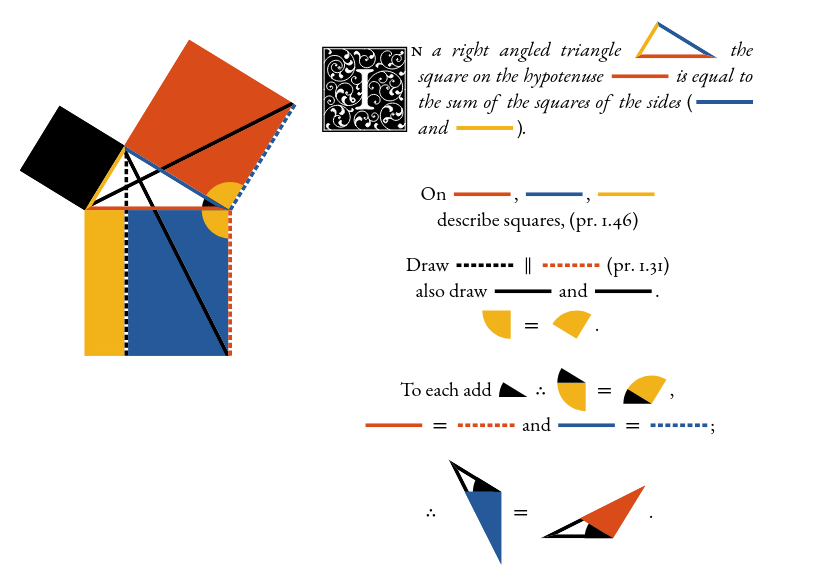
One of my favourite public domain works is Oliver Byrne's copy of Euclid's elements. Euclid's Elements is an ancient Greek geometry textbook, perhaps the second or third most-printed book of all time, and the earliest known example of deductive mathematical exposition in the world. It was the geometry textbook in Europe for over two thousand years, and still essentially determines the mathematical curricculum in European schools. Published in 1847, Byrne's copy adds vibrant illustrations that make this foundational mathematical treatise into a magnificent work of art.
- Taschen released a (non-free) physical copy in 2010.
- Sergey Slyusarev (
jemmybuttonon Github) released a digital version in English and Russian in 2017 under the GPL, with some brilliant dynamically generated ornamentations. PDFs are available at the Releases page. - Nicholas Rougeaux created a digital, interactive version of the Elements, available online. It is beautiful, but unfortunately non-free, so I can't recommend it.
librivox is a public repository of CC-0 recordings of public domain books. I haven't used it myself, but if you're into audio books, you might like it.
Pictures
public.work is a non-free search engine of public domain works run by cosmos, another non-free service. By contrast, openverse.org is a search engine for public domain and creative commons images, which is itself freely licensed (MIT). Please try openverse first, since it respects your freedom.
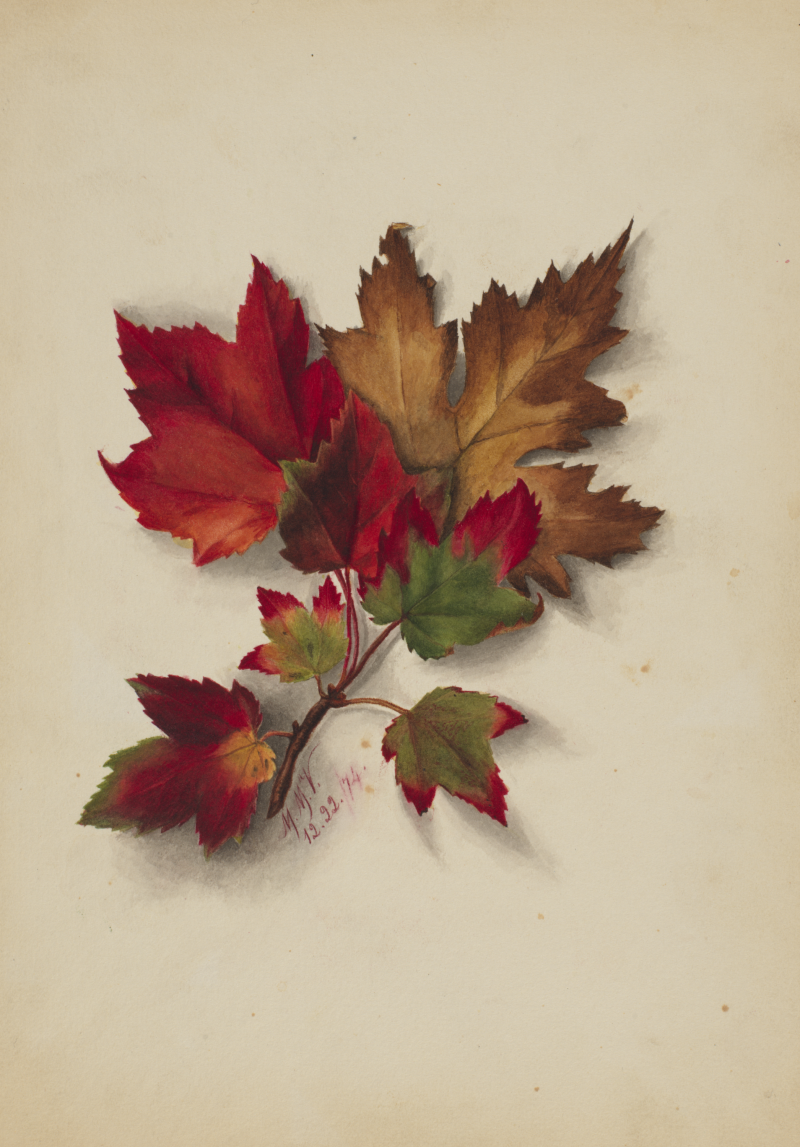
Smithsonian open access is a digital repository of nearly 3 million images, many released under a CC0 license. Disappointingly, not everything in the collection is available for free use. Look out for "Usage Restrictions Apply" when downloading.
Music
- https://freemusicarchive.org/home
- https://bandcamp.com/discover/creative-commons
- C418 (minecraft) is "somewhat free". I read this text as vaguely resembling a CC-BY-NC license. It's not clear whether remixes would be allowed. You can't really call this free, but it is a more liberal license than most music.
- Resonance by HOME is an extremely popular chillwave song. HOME's real name is Randy Goffe, and he has claimed vaguely on twitter that his music is available for free use. This can't really be regarded as free, since it doesn't tell you exactly what he considers to be free use, but it might be enough for you.